
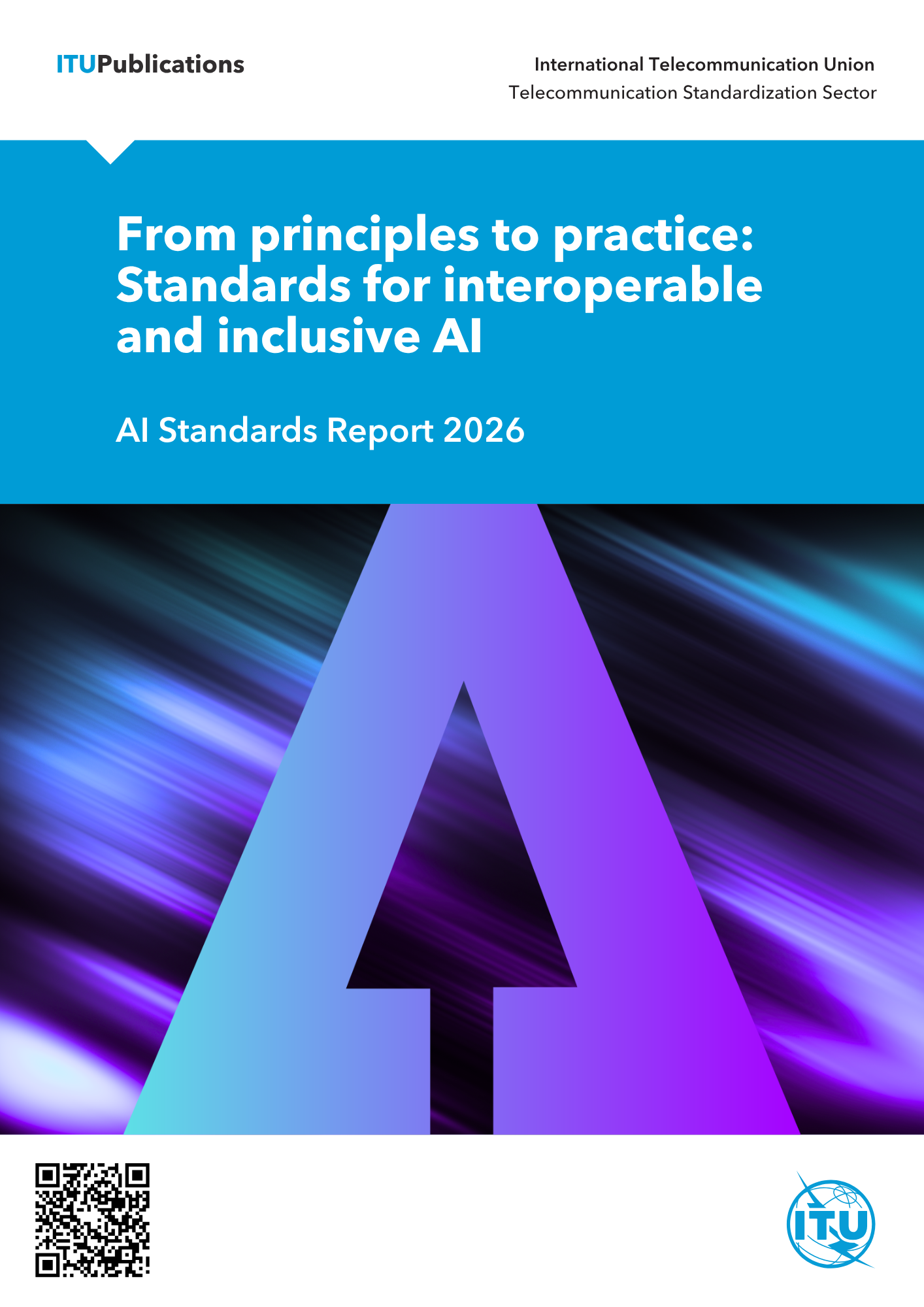
How can all countries, at all levels of economic development, benefit from trusted artificial intelligence (AI)? Collaboration will be key. No country can build the entire AI value chain alone, and very few can put together all the chips, models, data and applications needed to build the entire AI stack at home. While every country wants a strong AI ecosystem, that should not lead to isolation and fragmentation. With international collaboration and open standards, we can drive shared progress on AI and help every country and company make the choices right for them. Creating connections is one of the core aims of ITU’s AI for Good programme and our partnerships with fellow UN agencies and standards bodies. We are advancing technical collaboration and global standards in areas from AI-native networks, embodied AI and multimedia authenticity to AI innovations for better health, agrifood systems, disaster risk reduction, road safety and smart cities. And with our new AI for Good Lab, we aim to provide public AI infrastructure and expert guidance to help everyone build solutions, standards and skills for long-term success with AI. Success with AI calls for new innovation ecosystems built on common understandings and trust. That’s what consensus-based standards are all about. This report highlights the many ways we can work together to create the future we want.
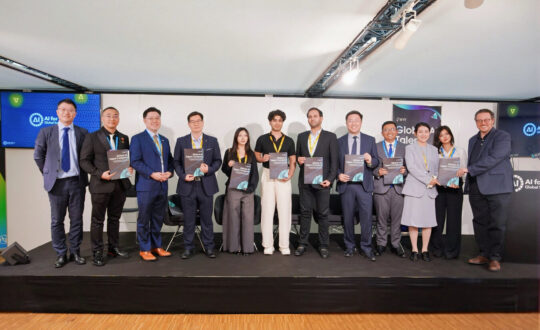
WYF Launches Global AI Talent Compact at AI for Good...
World Youth Forum (WYF), an international nonprofit advancing challenge-based learning and youth development across more than 30 countries, launched the...
AI for Good | Global Summit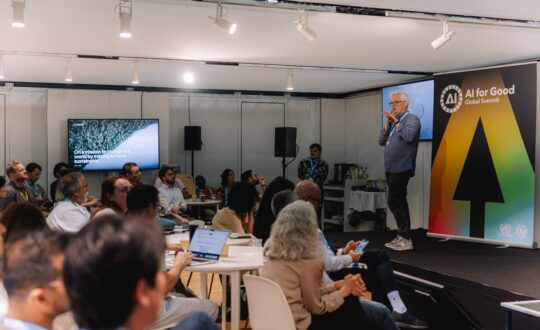
Real AI, real problems, real solutions: What we learned from...
Walk the halls at the AI for Good Global Summit and you notice that the most crowded rooms aren’t the...
AI for Good | Global Summit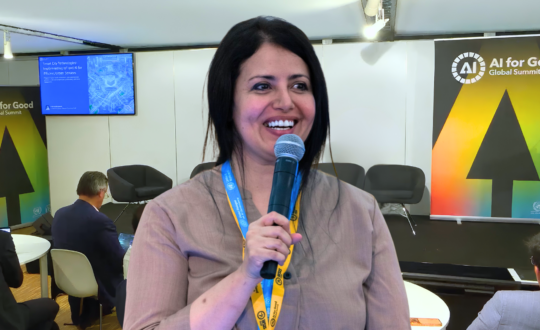
Building smarter cities: From connected infrastructure to trusted urban services
What makes a city “smart” is not the number of sensors installed across its streets. It is the ability to...
AI for Good | Global Summit