AI for Good Film Festival

Expanding cinematic horizons with AI.

Applications open on 15 January 2026

Bridging the power of technology, the art of storytelling, and the drive for positive social impact, the AI for Good Film Festival is an international competition that showcases how AI can expand creative possibilities in filmmaking while delivering a powerful, positive message about solving global challenges. 

 AI for Good invites all creatives interested in exploring the potential of AI in scriptwriting, storyboarding, image creation, digital effects, and more to submit original works that are generated or enhanced using AI tools. These submissions should transport audiences to new worlds, narratives, and eras, while exploring the ethical, social, and existential questions raised by AI and emphasizing the continued importance of human talent in the filmmaking process.

The official selection 2025
In competition
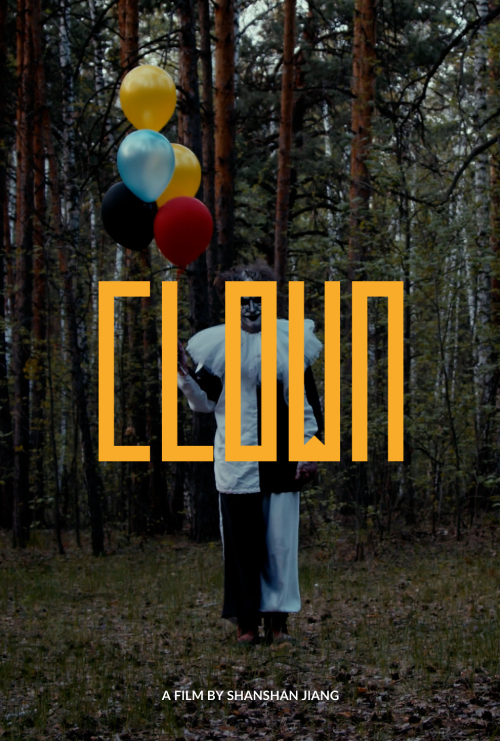
  • CLOWN
    Year of production: 2025
    Country: United Kingdom
    In a surreal fusion of live-action and AI-generated imagery, the film centers on a talented clown who gradually loses her sense of self in pursuit of audience approval. As she… Read more
    Directed by Shanshan Jiang
  • SOULS OF THE SHIPWRECK (WINNER)
    Year of production: 2025
    Country: South Korea
    After a fierce storm, the sea devours everything - a wrecked ship, wandering souls, and the silence heavy with prayers. Amidst this stillness, a woman throws herself into the sea.… Read more
    Directed by Dejawa (Yunsun Lee), Dana (Jungmin Hong), and Panda Gomm (Kyungsoo Lee)
  • CLOTHES OF DECEPTION
    Year of production: 2025
    Country: Czech Republic
    Beneath the summer sun, two souls surrender to the same waters. Yet when they rise, the world no longer sees them as they were. This Zen tale invites us into… Read more
    Directed by Odair Faléco
  • SOLEDAD
    Year of production: 2025
    Country: Spain
    “Soledad`` is a very common female name in Spanish; it also means solitude. “Soledad” is the story of a specter who lives in isolation in nature but feels the desire… Read more
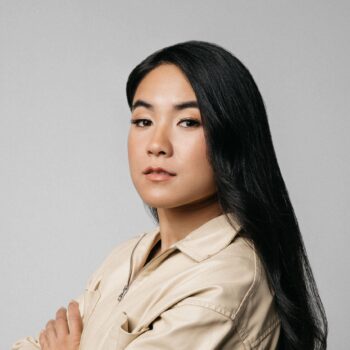
    Directed by Isabelita Virtual
Out of competition
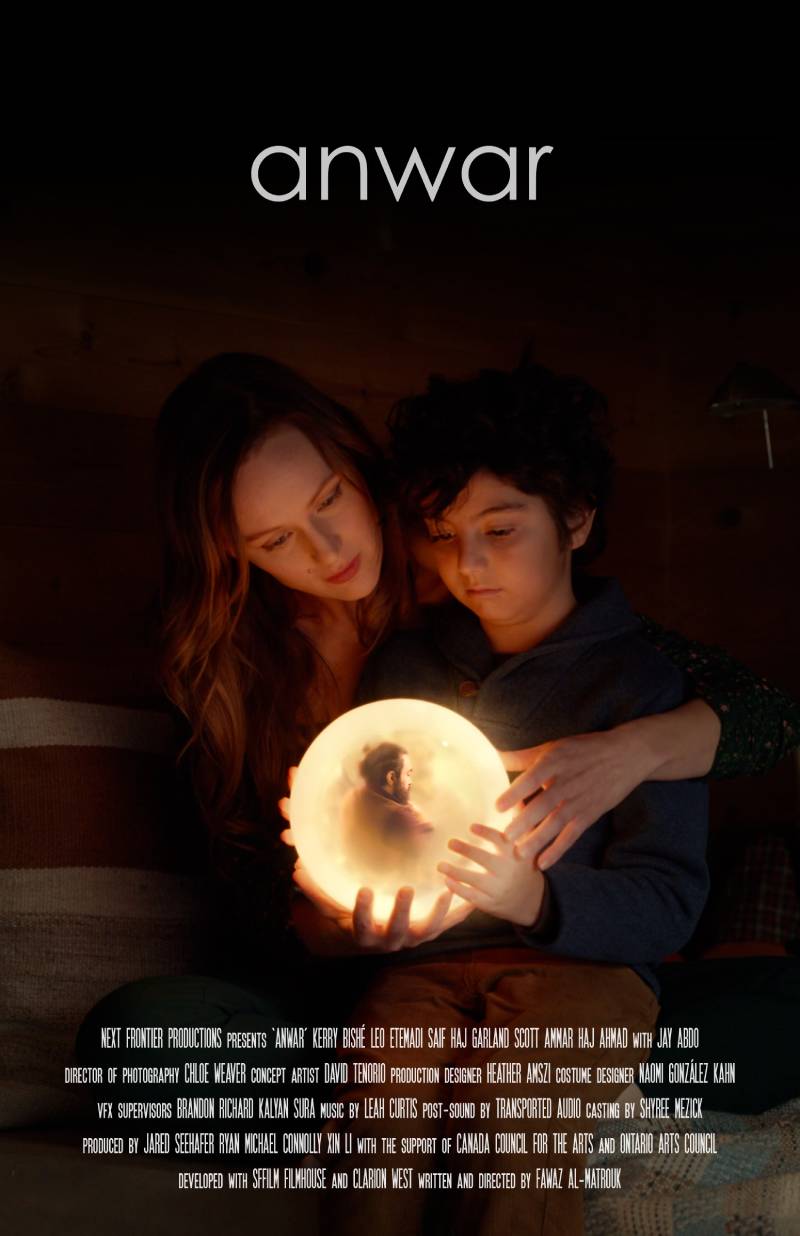
  • ANWAR
    Year of production: 2024
    Country: Canada, USA
    Anwar is a personal sci-fi about a mother who chooses to live forever, and a son who longs for heaven. We see Anwar age from 8 to 18 to 80,… Read more
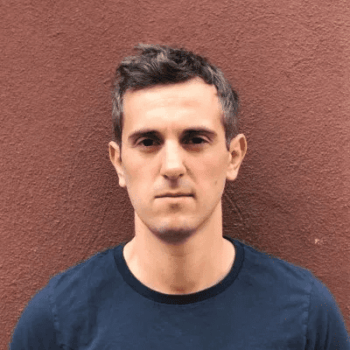
    Directed by Fawaz Al-Matrouk
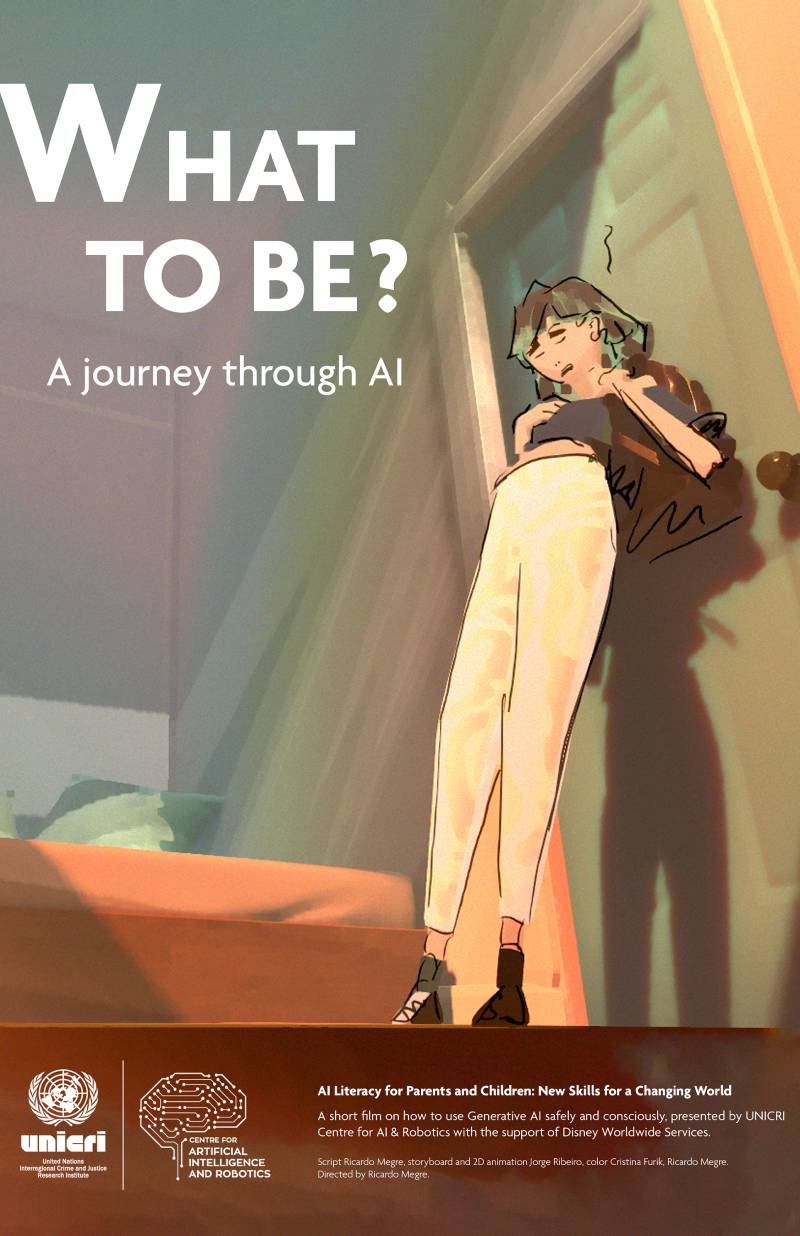
  • WHAT TO BE? A JOURNEY THROUGH AI
    Year of production: 2025
    Agency: UNICRI Centre for AI and Robotics, with the support of Disney Worldwide Services. Mia, a teenage girl, needs to do a school presentation about her dream career. The only… Read more
    Directed by Ricardo Megre
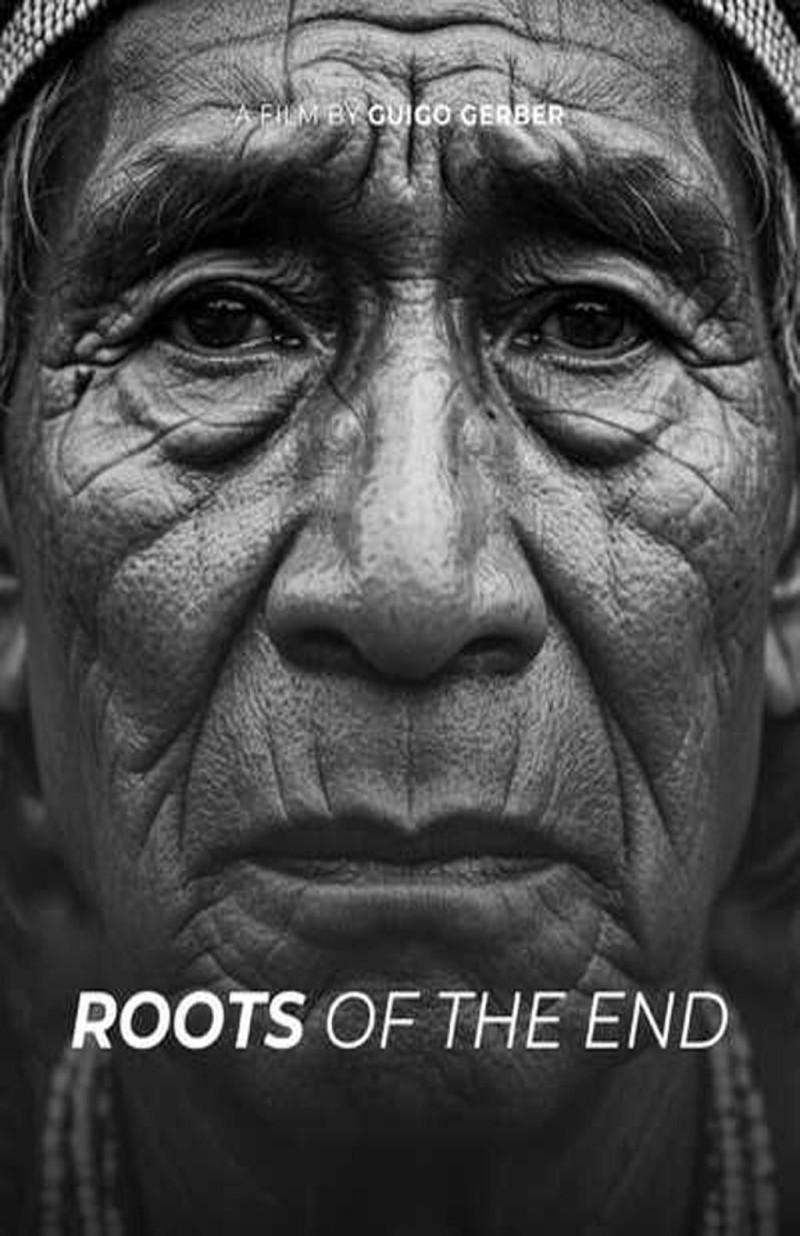
  • ROOTS OF THE END
    Year of production: 2025
    Country: Brazil
    This AI-generated short film offers a poignant perspective on the devastation of the Amazon rainforest, fauna, and indigenous communities, as seen through the eyes of a chief. The narrative serves… Read more
    Directed by Guigo Gerber
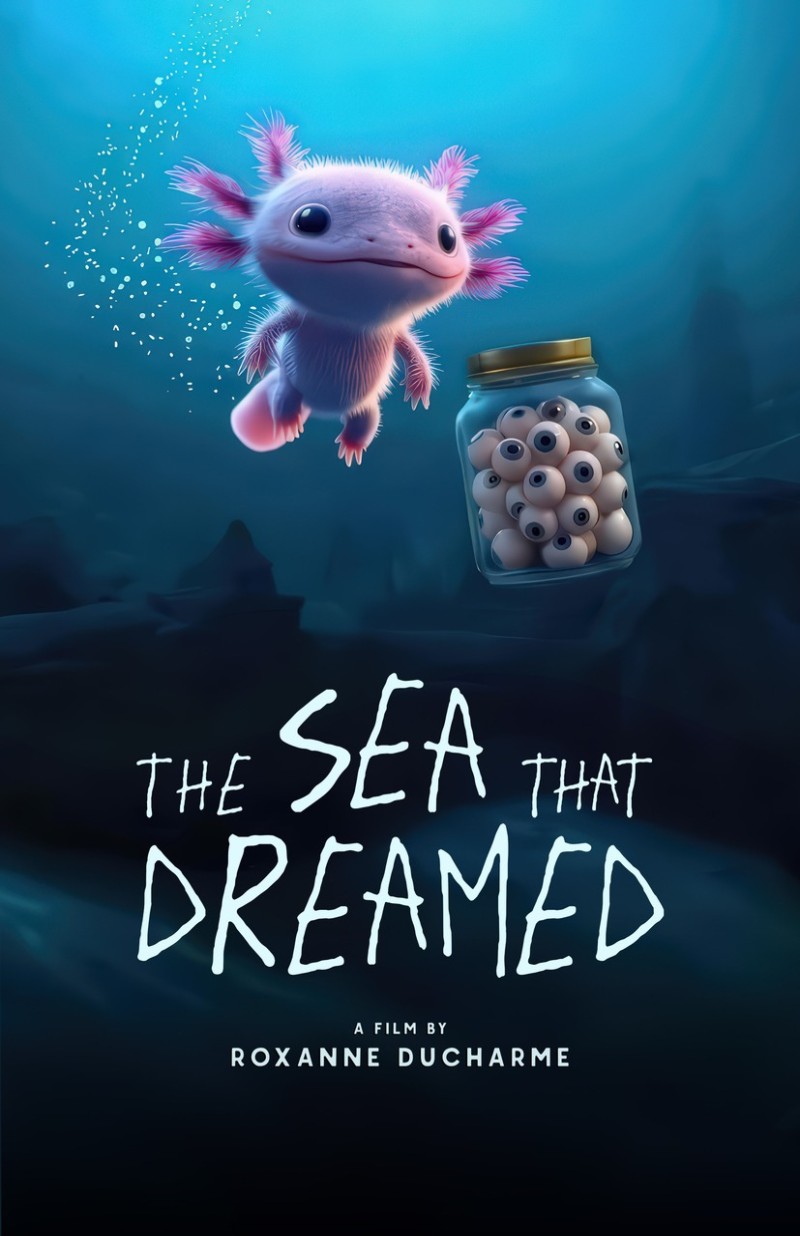
  • THE SEA THAT DREAMED
    Year of production: 2025
    Country: Canada
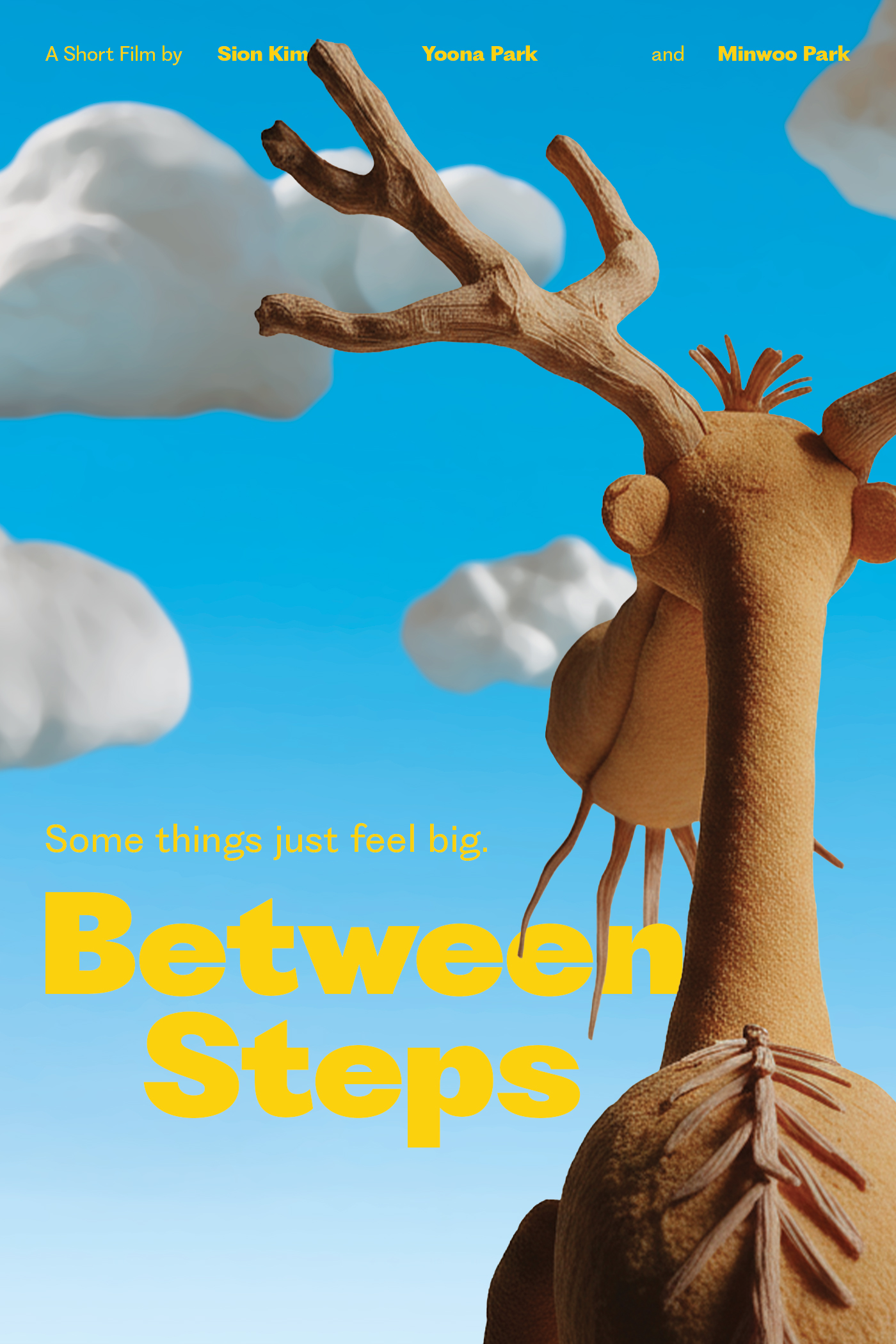
    “THE SEA THAT DREAMED” is a poetic short film that follows a solitary creature adrift in a mysterious sea, whose journey begins when a forgotten jar reveals a hidden world… Read more
    Directed by Roxanne Ducharme
Why the AI for Good Film Festival
Celebrate the power of film to drive positive change and explore how AI is helping to solve humanity’s biggest challenges.
  • Impactful films
    The Film Festival will feature a carefully curated selection of powerful and thought-provoking films that showcase the intersection of technology, art, and social impact, inspiring global audiences to take action toward solving global challenges.
  • Esteemed judges
    A team of leading directors, technology experts and AI pioneers will meet to evaluate the films collected and define the winners.
  • Diverse perspectives
    The initiative provides a platform for filmmakers, technologists, and activists to share their unique perspectives and collaborate on innovative solutions to the world's pressing challenges using the power of storytelling and AI for Good.
  • Geneva Premiere
    Participate in the exclusive AI for Good Film Festival Screening and Reception, hosted by ITU, during the AI for Good Global Summit 2025.
Judging criteria
The selection of films for the AI for Good Film Festival will be at the discretion of the panel of judges. After the submission deadline on March 15, 2026, at 23:59 CEST, the Jury Panel will review all submissions and select four finalists. These finalists will be invited to participate in the AI for Good Film Festival Screening and Reception during the AI for Good Global Summit, taking place from July 7 to 10, 2026. Filmmakers will be notified via email by May 11, 2026, if their film has been selected for the AI for Good Film Festival Premiere.
  • Quality of the overall film composition
    The film should exhibit a strong artistic vision, demonstrating a unique and imaginative approach to the subject matter while reflecting the filmmaker's individual perspective on the role of technology in shaping the future.
  • Cohesion of the film narrative and artistic message
    The film should present a compelling and well-structured narrative that aligns with the festival’s theme of envisioning how AI and technology influence the world. A clear artistic message should be communicated through storytelling, visuals, and direction.
  • Creativity and originality
    The film should showcase fresh storytelling, innovative artistic vision, and an original approach to filmmaking. It should captivate audiences with its unique perspective, engaging storytelling techniques, or unexpected artistic elements.
  • Boundary-transcending, international resonance
    The film should showcase the potential of AI, using storytelling to engage with global challenges. Its narrative should resonate across cultures and create a meaningful, inclusive impact for diverse audiences.
  • AI techniques incorporated
    The film should creatively and purposefully use AI tools to enrich the cinematic expere, such as generative algorithms, neural networks, or machine learning.
  • Ethical and legal integrity
    All submissions must follow ethical filmmaking practices, ensuring responsible use of AI-generated content and proper licensing of all materials or use of public domain resources. Filmmakers must uphold intellectual property rights and maintain transparency in AI applications throughout the creative process. They are also responsible for securing all necessary permissions, licenses, and releases for any copyrighted material used in their films.
Submissions guidelines
The submitted films should adhere to the following submission guidelines:
  • Eligibility
    Films must have been completed between May 1, 2025, and May 1, 2026, and should be 1 to 10 minutes long. All submissions must follow ethical filmmaking practices, ensuring the correct use of AI-generated content and proper licensing of all materials or use of public domain resources. Filmmakers must uphold intellectual property rights and maintain transparency in AI applications throughout the creative process. They are also responsible for securing all necessary permissions, licenses, and releases for any copyrighted material used in their films.
  • AI usage
    AI technologies need to be a core component of the filmmaking process, but the film does not need to be entirely AI-generated. The content must be original and should not violate or infringe on another’s rights.
  • Submission process
    Filmmakers must submit their films by March 15, 2026, through the AI for Good website. A download link for the film must be provided in .mp4, .mov, or .h264 format. Films can be in any language, but if they are not in English, they must include English subtitles. Each team is allowed to submit only one entry. Participants may submit their short films to other competitions. However, if selected as finalists for the AI for Good Film Festival, the film must not be fully available online prior to the event. Participants retain copyright but grant ITU permission to use their films for Festival-related promotion and activities, with credit to the filmmaker.
Festival Timeline
  • January - March 2026
    Applications phase

    Open for submissions

    15 January – 15 March

  • April 2026
    Selection process

    Selection of shortlist

    13 April

  • April – May 2026
    Evaluation phase

    Judging process

    13 April – 1 May

  • May 2026
    Finalists announcement

    Finalists are announced

    11 May

    Deadline for finalists to share their information

    24 May

  • July 2026
    Awards Ceremony

    Finalists come to Geneva for the AI for Good Global Summit 2026

    7-10 July

Related events
AI Film Festival
In person & onlineAI and industry
8 July 2025
18:30 - 20:00
EST - New York
CST - Beijing
PST - Los Angeles
AWST - Perth, Australia
On Day 1 of the AI for Good Film Festival...
AI Film Festival
In person & onlineAI and industry
9 July 2025
18:30 - 19:30
EST - New York
CST - Beijing
PST - Los Angeles
AWST - Perth, Australia
On Day 2 of the AI for Good Film Festival...
AI Film Festival
In person
9 July 2025
16:45 - 17:00
EST - New York
CST - Beijing
PST - Los Angeles
AWST - Perth, Australia
In this talk, we will explore the growing influence of...
AI Film Festival
In person
10 July 2025
12:15 - 13:30
EST - New York
CST - Beijing
PST - Los Angeles
AWST - Perth, Australia
IMPORTANT: Bring your laptop! 30 Seconds for Humanity is a...
Panel of Judges
Head of Centre for Artificial Intelligence and Robotics
,
United Nations Interregional Crime and Justice Research Institute (UNICRI)

Irakli Beridze, PhD, is the Head of the Centre for Artificial Intelligence and Robotics at UNICRI, United Nations​. More than 25 years of experience in leading multilateral negotiations, developing stakeholder engagement programmes with governments, UN agencies, international organisations, private industry and corporations, think tanks, civil society, foundations, academia, and other partners on an international level. Mr Beridze is advising governments and international organizations on numerous issues related to international security, scientific and technological developments, emerging technologies, innovation and disruptive potential of new technologies, particularly on the issue on crime prevention, criminal justice and security. He is supporting governments worldwide on the strategies, action plans, roadmaps and policy papers on AI. Since 2014, Initiated and managed one of the first United Nations Programmes on AI. Finding synergies with traditional threats and risks as well as identifying solutions that AI can contribute to the achievement of the United Nations Sustainable Development Goals. He is a member of various international task forces, including the World Economic​ Forum’s Global Artificial Intelligence and Global Future Council, the United Nations AI Inter Agency Task Force, the High-Level Expert Group on Artificial Intelligence of the European Commission. He is frequently lecturing and speaking on the subjects related to technological development, exponential technologies, artificial intelligence and robotics and international security. He has numerous publications in international journals and magazines and frequently quoted in media on the issues related to AI. Irakli Beridze is an International Gender Champion supporting the IGC Panel Parity Pledge. He is recipient of recognition on the awarding of the Nobel Peace Prize to the OPCW in 2013.​

Emmy Award-Winning and Peabody Nominated Director

Michaela A. Ternasky-Holland is a Peabody-nominated and Emmy award-winning director who specializes in creating impactful stories using immersive and interactive technology. She is one of the first directors to create and premiere a short film utilizing Open AI’s SORA platform, which screened at Tribeca Festival. As a nominee for the Producers Guild of America’s Innovation Award, she is also a consultant, speaker, and thought leader, who has been recognized as one of the 100 Original Voices of XR and listed as one of Blooloop’s 50 Immersive Influencers.

Award-winning filmmaker, actor, writer and co-Founder
,
MASSIVE STUDIOS

Reza Sixo Safai is an award-winning filmmaker, actor, and writer whose bold, boundary-pushing work has been celebrated at Sundance, Cannes, and beyond. Renowned for his innovative approach to storytelling, he crafts films that challenge perception, blend genres, and defy expectations. He produced and co-starred in “A Girl Walks Home Alone at Night”, the acclaimed Iranian vampire western praised by Time magazine as one of the best vampire films of all time. In addition, he has pioneered the use of AI in filmmaking, with his work featured at Tribeca, where he showcased a groundbreaking film using OpenAI’s Sora. Recently he co-founded Massive Studios which Forbes described as “a creative shop with deep expertise in generative AI.” Safai’s projects are a reflection of his hybrid identity and the world we live in today—where cultures, histories, and aesthetics collide to create something entirely new. 

Co-Founder & CEO
,
Cognitive Insights for Artificial Intelligence

One of 100 Brilliant Women in AI Ethics 2023 and a recognized polymath by The Imagination Institute of the University of Pennsylvania, Dr. Monica Lopez is the Co-Founder & CEO of Cognitive Insights for Artificial Intelligence. Dr. Lopez is a serial entrepreneur advising on the risk management and governance of emerging technologies and artificial intelligence from a human-centered perspective across multiple industries. She is also a Senior Executive Fellow of The Digital Economist, a Responsible AI Expert for the Global Partnership on Artificial Intelligence, a Jury Member for the Alfred P. Sloan Feature Film Prize at the Sundance Film Festival, and a longtime Fellow of Salzburg Global. Prior, she was a photographer and writer, director and producer of theater and film, merging her artistic work with her research in the neuroscience of creativity through her company, La Petite Noiseuse Productions. Speaking engagements include the National Academy of Sciences, National Geographic, IS&T Electronic Imaging Symposium, IEEE Women in Engineering, AutoSens, BioTalk, Salzburg Global, Executive Women’s Forum, American Health Law Association, Bankers Association for Finance and Trade, Sundance Film Festival, The Atlantic, The Digital Economist, and Top Tier Impact at the World Economic Forum. Latest publications include peer-reviewed original research in the Journal of AI Law and Regulation, International Journal of Medical Informatics, Journal of the American Medical Informatics Association, Journal of the Patent & Trademark Office Society, International Journal of Human-Computer Interaction, and The Digital Economist. Dr. Lopez holds a PhD in Cognitive Science from the Johns Hopkins University where she is also a teaching professor in the Whiting School of Engineering.

Emmy-winning filmmaker, AI artist and Founder
,
ArtsEnvoy.ai

Lisa Russell is an Emmy-winning filmmaker, AI storyteller, and global arts advocate with over 20 years of experience that lies at the intersection of arts, social justice and sustainable development. As a pioneering creative advocate for the intersection of artificial intelligence, filmmaking and advocacy for climate and sustainability solutions, she explores how AI can empower artists, reshape storytelling, and create new revenue opportunities in the global creative economy.

Her AI-driven creative projects have been featured at COP29/UN News, the UN Summit of the Future, unDAVOS, Entertainment Week Lagos, Project Odyssey 2, Atlanta AI Film Festival, Seattle AI Film Festival and more, demonstrating how AI can be a force for ethical storytelling and artistic innovation. As a speaker, Lisa is a 3x TEDx speaker, featured speaker for the World Conference on Creative Economy gatherings and has presented at high-level global events, including the ITU/UNDP SDG Digital Summit, advocating for artist-led AI solutions in digital transformation.

Lisa is also the founder of ArtsEnvoy.ai, a platform designed to help artists and creatives harness AI to create, monetize, and scale their storytelling careers.  ArtsEnvoy.ai was ranked the #2 AI company in Kenya by F6S.com in February 2025.

Lisa is the Global Co-Chair of the UN Civil Society (UNCSC) Arts and Culture imPACT Coalition, where she leads efforts to amplify the role of artists in global policy and sustainable development. She has collaborated extensively with the United Nations, NGOs, and international organizations, producing award-winning films and creative initiatives that highlight pressing social issues.

 As a judge for the AI for Good Film Festival, Lisa brings a unique perspective at the intersection of AI, creativity, and social impact, championing innovative approaches that ensure artists and creatives remain at the forefront of technological change.

Award-winning AI filmmaker

Verena Puhm is a Sundance-featured, award-winning AI filmmaker and creative technologist blending emotional storytelling with cutting-edge tools. With a background in producing series for CNN and BBC and writing for Leonine Studio’s Wiedemann & Berg TV as well as Red Bull Media’s Terra Mater Studios, she bridges traditional and AI-driven cinema. Her work has been honored by Forbes, The Hollywood Reporter, and top AI festivals. A keynote speaker and panelist at Cannes Film Festival 2025, Berlinale 2025, Austin AIFF, Stockholm AI Film Conference, AI Film & Ad Fest Dubai, and the Atlanta International AI Film Festival (AIAIFF), she is a frequent speaker and judge in the field. Verena is part of OpenAI’s Sora Creator Circle, Google veo 2 Beta, Adobe AI Community Leader Program, Luma, Kling, Hailou Minimax, LTX, Freepik, Pika and Showrunner AI’s Creator programs and collaborates globally across studios, pushing the future of storytelling forward. In addition to her solo creative work, Verena has developed several hybrid and fully AI-driven production pipelines, combining cutting-edge tools and processes for cost-efficient, high-quality content creation. She commands a distributed team of global specialists across production, AI and 3D animation, editing, VFX, sound, and compositing—allowing fast iteration, flexibility, and stylistic precision while keeping production lean and scalable. Verena’s workflow merges traditional filmmaking with generative AI capabilities, ensuring both narrative strength and technical innovation.

Are you sure you want to remove this speaker?