
 Register here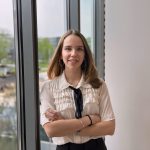
Around the world, preventable vision loss remains a persistent challenge in global health, particularly in regions where access to early screening is limited. Delays in diagnosis contribute significantly to avoidable vision impairment, especially in conditions such as cataract, glaucoma, and diabetic retinopathy, where early detection plays a critical role in preventing long-term damage. Imaging equipment is often expensive, immobile, and concentrated in major cities, leaving rural and underserved communities without access to early screening.
This reality shaped the latest AI for Good Innovation Factory 2025 live pitching session, where startups presented AI-powered solutions designed to address real-world challenges across sectors. Organized by the International Telecommunication Union, the Innovation Factory highlights startups that apply AI responsibly, inclusively, and at scale. Each session identifies a winning solution that advances to the global stage at the AI for Good Global Summit 2026.
The winning startup of this session was Iriscience, founded and led by Dr. Marissé Masis Solano, a clinician-scientist specializing in ophthalmology, glaucoma, medical imaging, and AI-driven diagnostics. Her mission is rooted in a belief that technology should bridge, rather than reinforce, global health inequities.
“AI gives us a chance to close global gaps in health, education, and opportunity. Let your mission be bigger than your company: let it be humanity,” Dr. Masis Solano said.
Turning smartphones into mobile, AI-powered screening tools
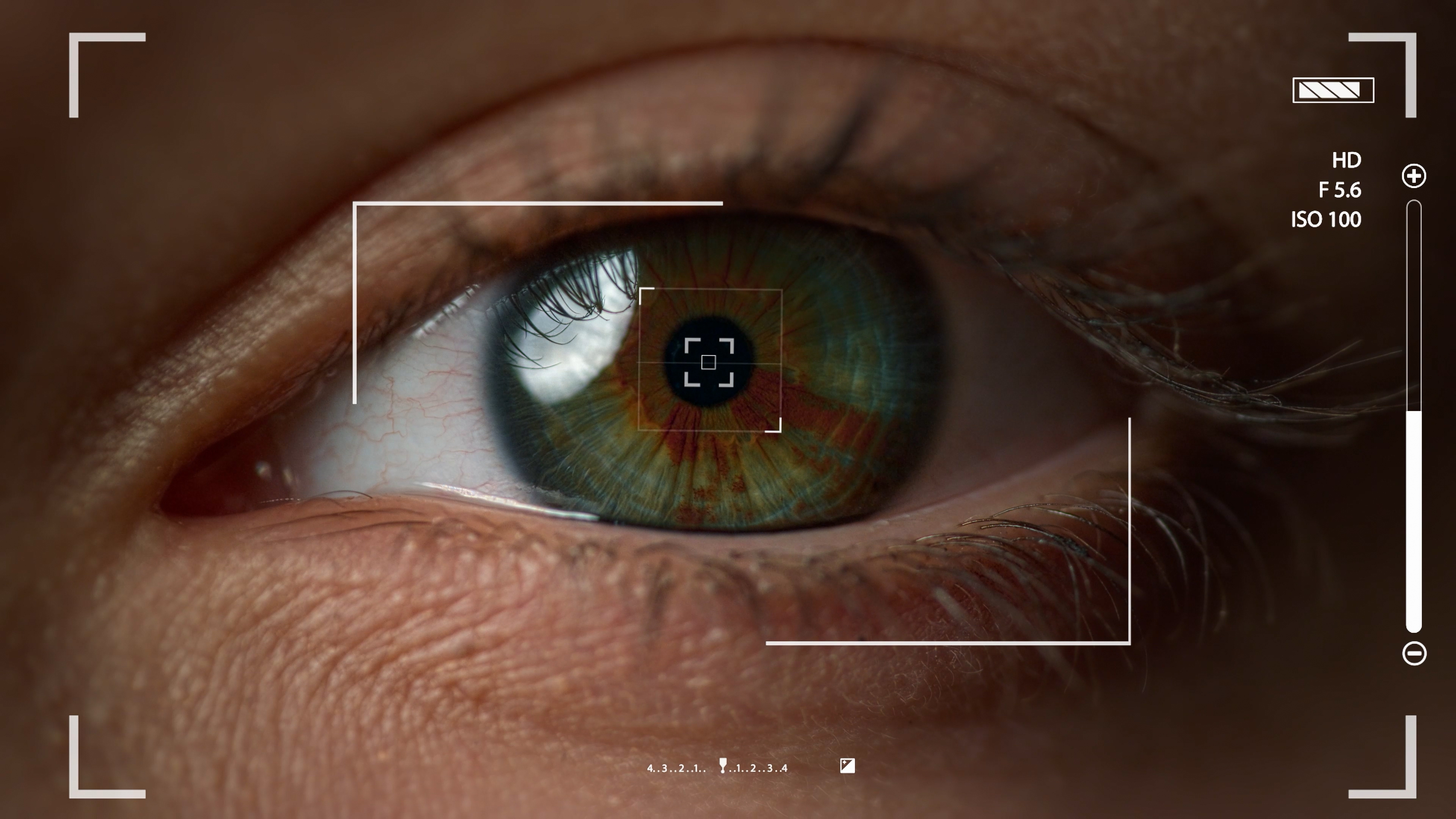
Iriscience was built to address a critical barrier: the lack of accessible eye screening in regions where specialist access is limited and early diagnosis is rare. Instead of relying on static images captured by specialized devices, Iriscience introduced a video-based ocular imaging workflow that transforms ordinary smartphones into portable diagnostic tools. This novel approach captures richer optical information than traditional methods, enabling its multimodal machine-learning models to detect early signs of cataract, glaucoma risk, diabetic retinopathy, and other conditions long before symptoms appear.
Because the platform runs on devices already common worldwide, it can be deployed in community screenings, rural health posts, schools, mobile clinics, and tele-ophthalmology programs – settings where traditional equipment is difficult or impossible to use. The system is complemented by a fairness-oriented development pipeline that prioritizes diverse datasets and strict adherence to privacy, governance, and international SaMD guidelines.
A global perspective shaped by lived expertise
Dr. Masis Solano’s approach is deeply informed by her personal and professional journey. Born and trained initially in Costa Rica, she gained early experience in urban hospitals and remote rural communities, where geography and resource limitations often dictated who received care and who did not. Additional training in Mexico strengthened her understanding of infectious disease surveillance and community health programs in underserved regions.
Her later move to Canada exposed her to a different type of health system, one where public health infrastructure is robust and consistent investment supports preventive care. This contrast helped clarify how technology can either reduce disparities or deepen them, depending on its design and deployment. Subsequent research and specialization in the United States immersed her in advanced ophthalmology, imaging, and AI-driven diagnostics, revealing both the potential and the limitations of innovation constrained to high-resource environments.
Today, her work spans North America, Latin America, and emerging global health markets, collaborating with clinicians, researchers, and community partners to validate AI models and adapt them to local realities. These experiences shape Iriscience’s commitment to designing technologies that perform reliably across diverse populations, not only in well-equipped medical centers.
Watch the full pitching session here:
Preventable blindness as a global health priority
Iriscience frames preventable vision loss as a challenge with broad social and economic consequences. Untreated eye disease affects a person’s ability to work, study, and participate in daily life, with ripple effects on households and communities. Screening often breaks down not because of a lack of treatments, but because of the absence of accessible diagnostic tools.
By transforming smartphones into mobile imaging devices, Iriscience supports earlier detection, more efficient triage, and improved access to specialist care. In settings where ophthalmic equipment is scarce, a portable solution can reach people who might never otherwise receive screening. The approach also aligns with growing research in oculomics, which explores how ocular biomarkers can reflect cardiovascular, metabolic, and neurological health.
Advancing digital transparency in emerging markets
Developing AI for healthcare brings challenges that extend beyond technical excellence. Iriscience highlights the difficulty of balancing innovation with rigorous clinical validation, especially when models must be tested across diverse populations and imaging conditions. Ensuring fairness requires substantial investment in data governance, annotation quality, external validation, and representation across ethnicities and device types. At the same time, real-world deployment must respect privacy regulations and integrate seamlessly into clinical workflows.
Iriscience’s decision to join the AI for Good Innovation Factory reflects its commitment to developing AI that is responsible, equitable, and grounded in real-world implementation. Dr. Masis Solano explains that global health challenges cannot be addressed in isolation and that meaningful progress requires collaboration across regions, sectors, and disciplines.
“We joined the AI for Good Innovation Factory because it is one of the few global platforms where technological innovation is aligned with public interest, ethical responsibility, and meaningful real-world impact,” Dr. Masis Solano explained.
By participating in the program, the team aims to connect with partners, policymakers, and researchers who can help refine and scale their approach, while contributing to an international dialogue on how AI can serve diverse communities and support more equitable access to early diagnosis.
Next stop: Geneva
As the winning startup of this session, Iriscience will advance to the AI for Good Innovation Factory Grand Finale 2026 at the AI for Good Global Summit in Geneva, where the team will present its mobile, AI-driven ocular screening platform to a global audience of experts and partners working at the intersection of technology, equity, and health.
From community clinics to international stages, Iriscience is demonstrating how AI innovation can expand access to early diagnosis and support more equitable, human-centered global health systems.