
For people living with vision impairment or losing their sight with age, day-to-day independence often comes down to which assistive tools they can actually access and trust. Smart Vision, a startup founded in the Arab region by Yassmin Ayop, has built its work around closing that gap.
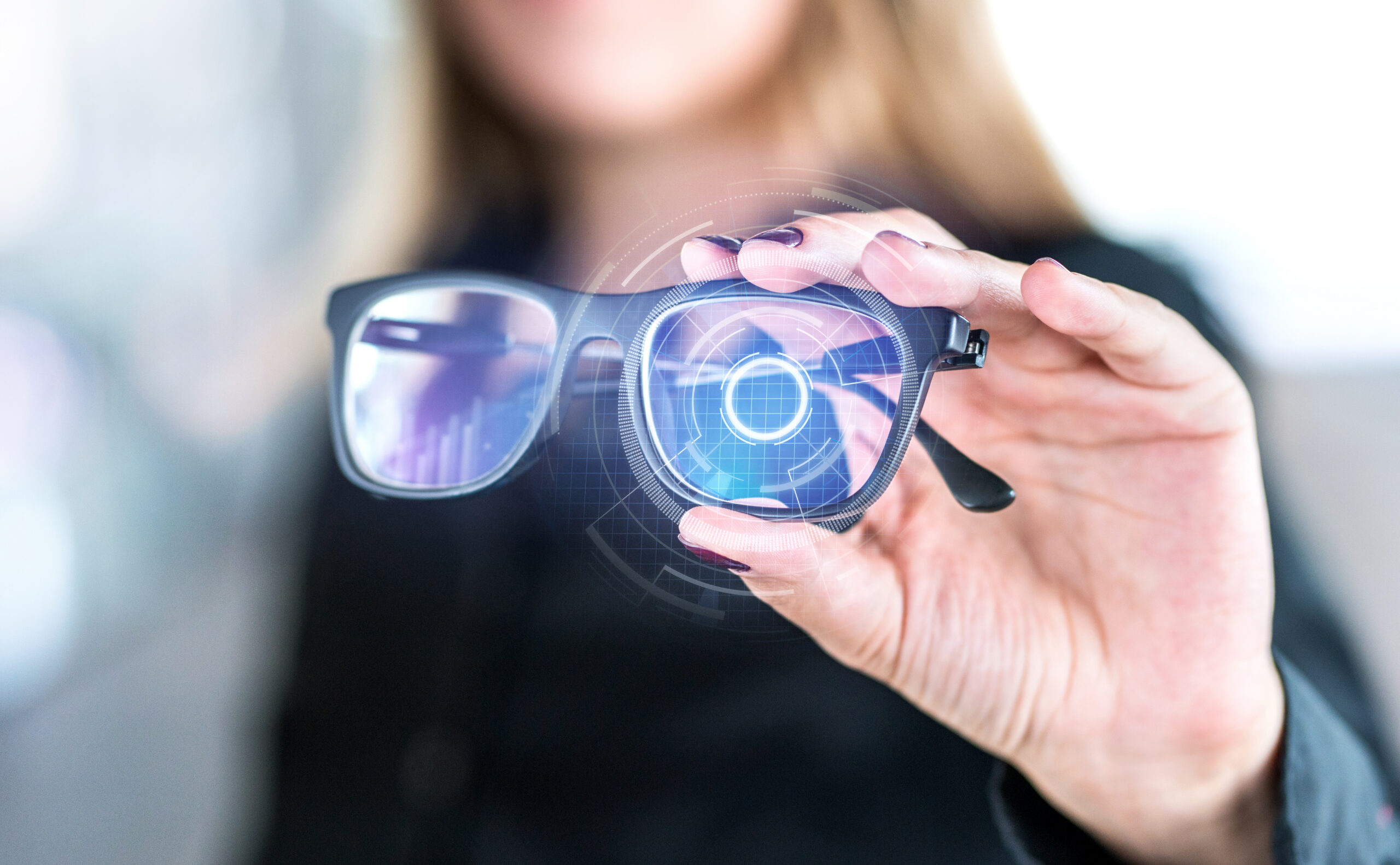
The company describes its solution as “more than just a technological tool; it is a revolution in the concept of independence for the visually impaired and elderly individuals facing visual perception challenges and social isolation.” At the heart of that mission is an integrated ‘Artificial Vision’ system embedded in a wearable device, designed to bridge the gap for those struggling to interact with the visible world.
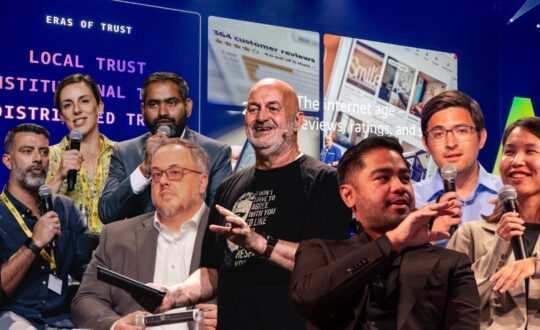
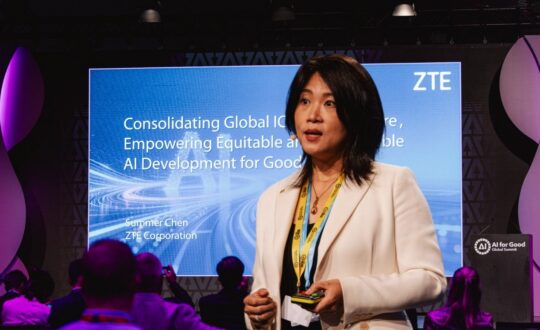
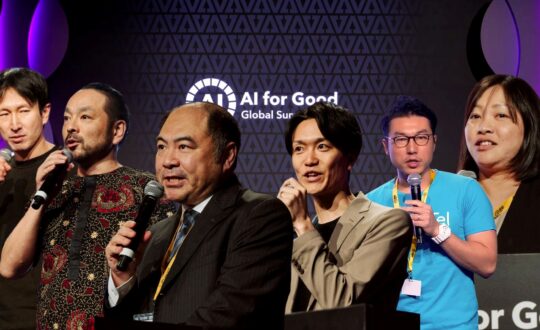
That ambition is what Smart Vision brings as a finalist of the AI for Good Innovation Factory, the United Nations startup pitching and acceleration platform organized by the International Telecommunication Union (ITU). The Innovation Factory exists to surface AI-driven ventures tackling pressing global challenges and to connect them with investors, governments and the wider tech ecosystem. Its progression culminates each year at the AI for Good Global Summit 7-10 July Geneva, where standout startups pitch for the Grand Finale’s $20,000 cash prize.
Smart Vision describes its work as serving “over two billion visually impaired individuals and elderly people worldwide,” and frames the response not just as a piece of assistive technology but as a question of who gets to live independently.
Ayop’s emphasis is on access: an affordable, intelligent solution adaptable to both developing and developed settings, designed to reduce dependency on caregivers and improve daily quality of life for users who have often been left behind by mainstream tech.
Building such a system is harder than it sounds. According to Ayop, the company’s biggest challenge is “balancing high technical precision with affordability.” In visual impairment, there is little margin for error, an artificial vision system that misreads its environment can do more harm than good. Yet developing algorithms that approach near-perfect accuracy on low-cost hardware demands constant iteration, and many off-the-shelf approaches do not survive contact with real-world conditions.
The human side of the work is no less demanding, and is where Smart Vision spends much of its design energy.
Ayop describes building trust with elderly users to rely on AI as a sensory alternative as a key hurdle for the company, one Smart Vision works to overcome through, in her words, “intuitive, user-centric design that prioritizes human needs over complex tech.”
In practice, that means the interface has to recede; the technology only succeeds when it feels less like a device and more like a familiar companion in everyday life.
Smart Vision originates from the heart of the Arab region and is currently focused on its home market as a primary launchpad, refining the technology through direct user engagement before scaling outward. The company’s ambition, however, is global from the start.
Its roadmap targets international markets with growing elderly populations alongside developing nations in need of accessible assistive technology, with the stated goal of making Smart Vision “the eyes for anyone who needs them, anywhere in the world, transcending language and geographical barriers.”
That ambition is part of why Smart Vision joined the AI for Good Innovation Factory, the UN-based startup pitching and acceleration platform organised by the ITU.
Ayop is direct about why that ecosystem matters to Smart Vision. They believes AI should “not just be a tool for luxury, but a driving force for human justice,” and that what Smart Vision needs in order to scale is “an ecosystem that nurtures purposeful innovation,” the kind of partnerships that can take an algorithm designed for inclusion and turn it into something the people it was built for can actually use.
As Yassmin Ayop, founder of Smart Vision, puts it: “AI is not just about smarter machines; it’s about empowering human lives and making the invisible, visible.”