
 Register here
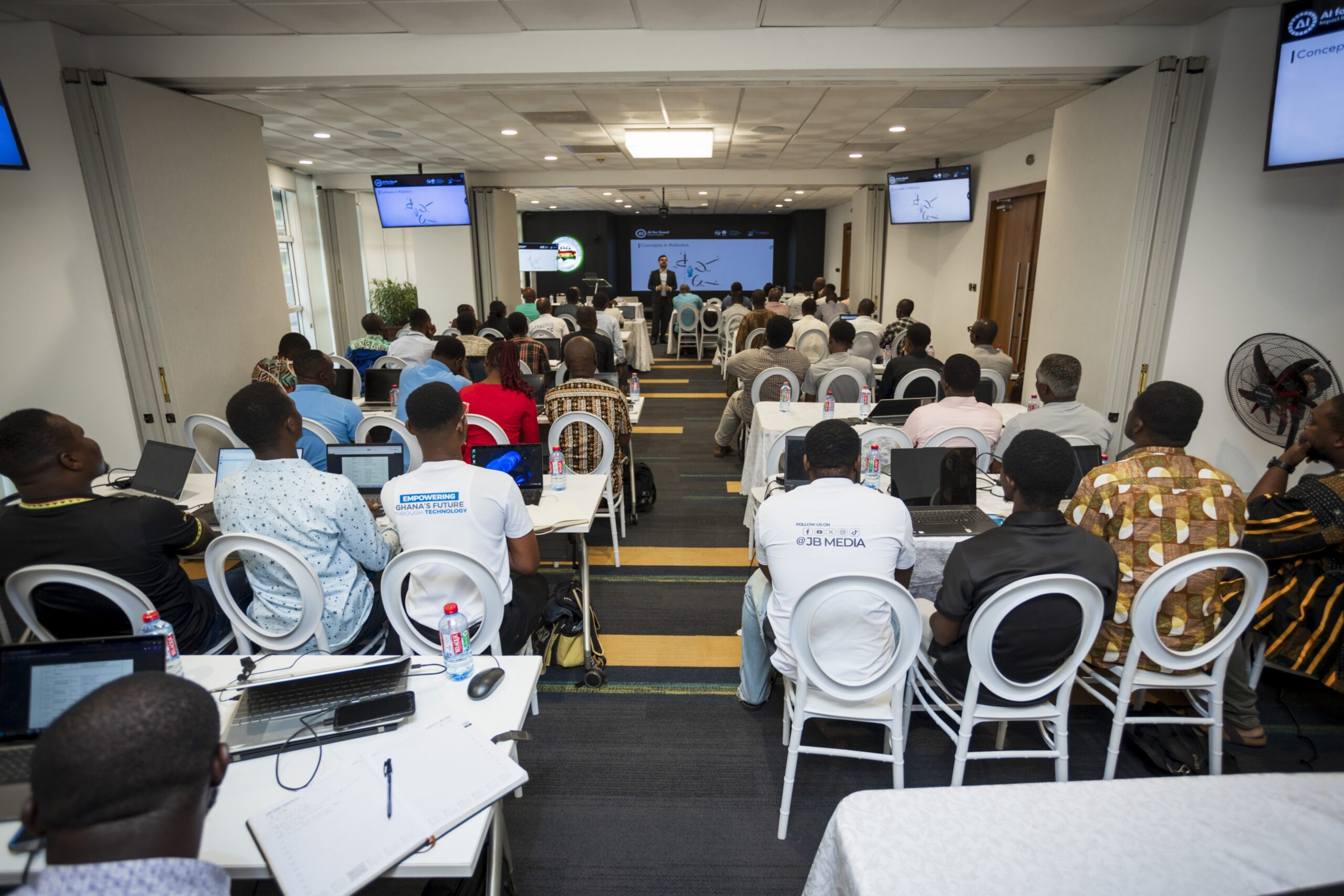
The AI & Robotics Youth Training Programme is an initiative led by the International Telecommunication Union (ITU) with support from Google and the I Am Angel Foundation. The programme equips young people aged 10 to 18, alongside their teachers, with practical skills in artificial intelligence and robotics through AI School Clubs, structured teacher training and national innovation challenges (ITU, 2025). In 2026, the initiative was launched as a one-year pilot programme across five African countries: Côte d’Ivoire, Ghana, Kenya, Nigeria and South Africa.
The initiative emerges at a time when global demand for AI and digital skills is increasing rapidly, while access to digital infrastructure and education remains deeply unequal. Today, 2.6 billion people worldwide remain offline, including 1.3 billion children (ITU, 2025). In Africa, approximately 60 per cent of young people are still unconnected, significantly limiting opportunities to access digital learning and participate in the digital economy (ITU, 2025). Against this backdrop, the programme positions AI and robotics education not only as a technical training initiative, but also as part of a broader effort to promote digital inclusion and expand access to future opportunities.
The programme was designed in response to three major challenges identified by ITU. The first concerns the limited integration of AI education into national school systems, particularly at an early stage of learning. The second reflects the lack of scalable training opportunities available to teachers delivering AI and robotics education. The third focuses on equity and inclusion, addressing the barriers that continue to limit participation for girls and underserved communities. Through a combination of teacher training, extracurricular AI School Clubs and hands-on robotics challenges, the initiative seeks to create more accessible and sustainable pathways into AI education (AI for Good, 2026).
The programme also builds on Giga, the joint ITU–UNICEF initiative working to connect every school to the Internet and every young person to information, opportunity and choice. Through this collaboration, connected schools are intended to become environments for continuous digital learning, experimentation and innovation. The initiative is implemented in close partnership with national administrations to ensure alignment with local education priorities and national digital development strategies.
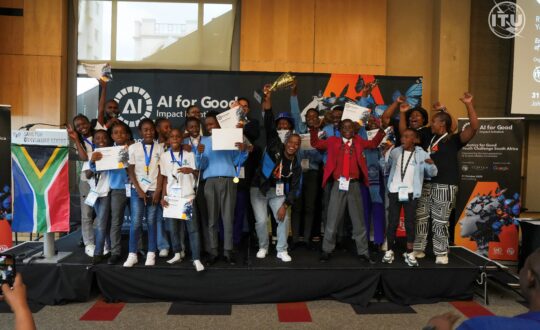
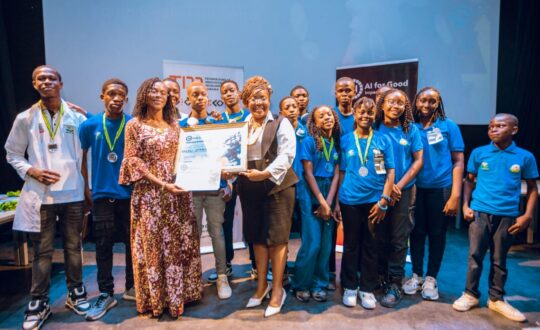
Across the five pilot countries, the programme aims to reach more than 20,000 students and train 1,000 teachers, with approximately 200 teachers participating per country (AI for Good, 2026). Activities include localising AI and robotics curricula, training educators and facilitators, distributing robotics kits to schools and organising national showcases where students present projects developed through the programme.
The programme is structured around four core components. Teacher Training provides educators with curriculum resources, facilitation support and technical training to deliver AI and robotics learning locally. AI School Clubs create extracurricular learning environments where students can develop practical skills through project-based activities. National Robotics Challenges allow students to apply their knowledge through competitions linked to the global Robotics for Good Youth Challenge. Finally, lessons learned throughout implementation contribute to curriculum refinement and future expansion through the Giga Learning Hub. Winning teams from national competitions are also given the opportunity to participate in the final stage of the Robotics for Good Youth Challenge at the AI for Good Global Summit in Geneva.
At the centre of the initiative is the Training of Trainers (ToT) model, designed to build local teaching capacity at scale. Through in-person national workshops, selected teachers receive training in AI concepts, robotics tools, mentoring methodologies and project-based learning approaches.
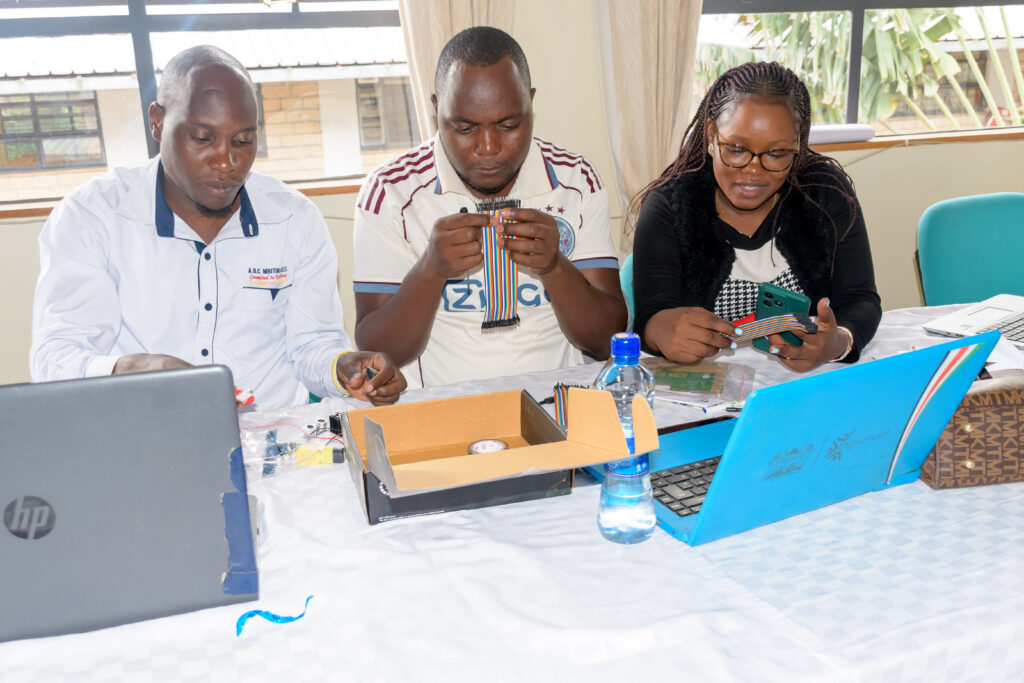
Credit: AI for Good
The AI and Robotics Youth Training Programme orientation and awareness session was co-developed with the Technology Innovation Hub of IIT Delhi (IHFC), which serves as the programme’s knowledge partner. The training combines theory and practical application through intensive workshops covering AI literacy, robotics fundamentals, coding, digital ethics and project-based learning. Teachers are also introduced to areas such as edge AI, robotics mechanisms, computer vision and AI-powered educational tools including Google’s Teachable Machine.
Beyond technical training, the programme also reflects wider ambitions around youth empowerment, digital inclusion and long-term workforce development.
ITU Secretary-General Doreen Bogdan-Martin described the initiative as an opportunity to “open new doors” for AI literacy among young people and help prepare them to participate in the digital transformation reshaping societies and economies worldwide (ITU, 2025).
Through its pilot phase, the AI & Robotics Youth Training Programme aims to strengthen teacher capacity, expand access to AI education and establish a scalable ecosystem for AI and robotics learning across the continent. Lessons gathered throughout implementation are expected to contribute to the development of a long-term model that can be expanded across the wider Robotics for Good Youth Challenge network and future Giga-supported countries.