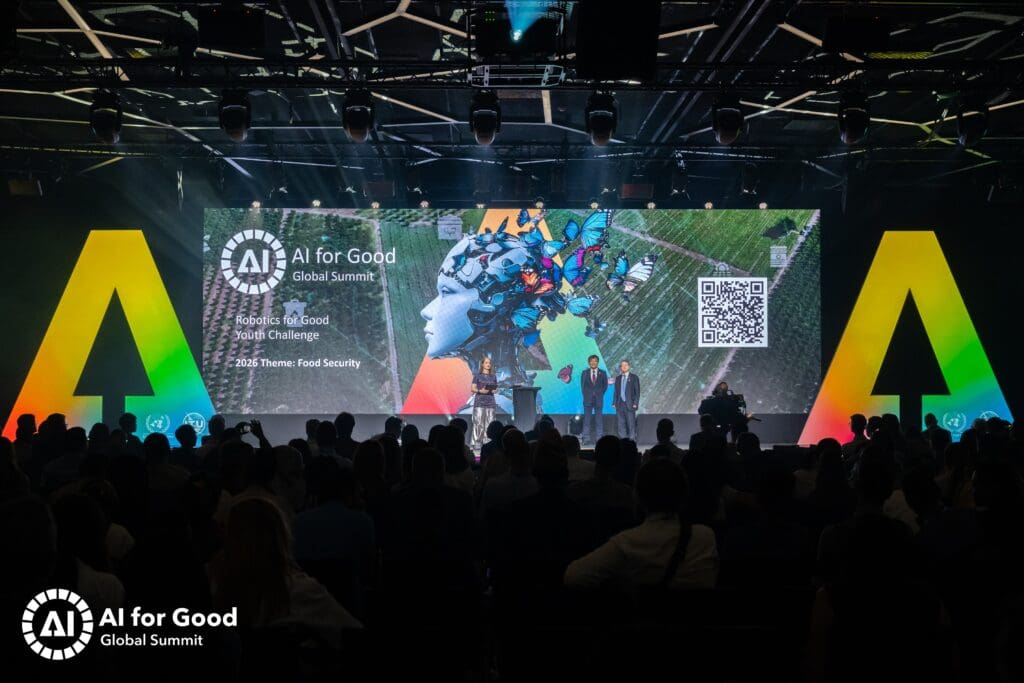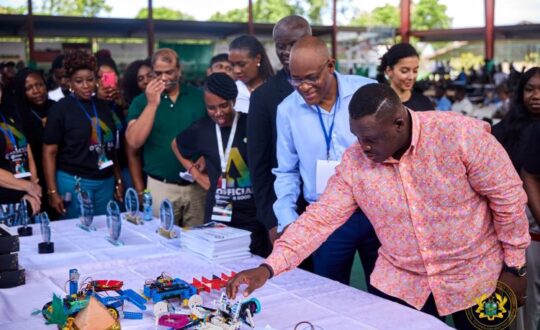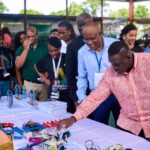


The energy was high at the AI for Good Global Summit 2025 as the Robotics for Good Youth Challenge Grand Finale came to a close. After months of preparation and collaboration, student teams from around the world came together in Geneva to demonstrate how robotics and AI can be applied to disaster response scenarios. This year’s Grand Finale marked the end of the 2024–2025 Robotics for Good Youth Challenge, a global programme run by the International Telecommunication Union (ITU). The competition invites students aged 10 to 18 to design and build robots that use AI to help solve real world problems.
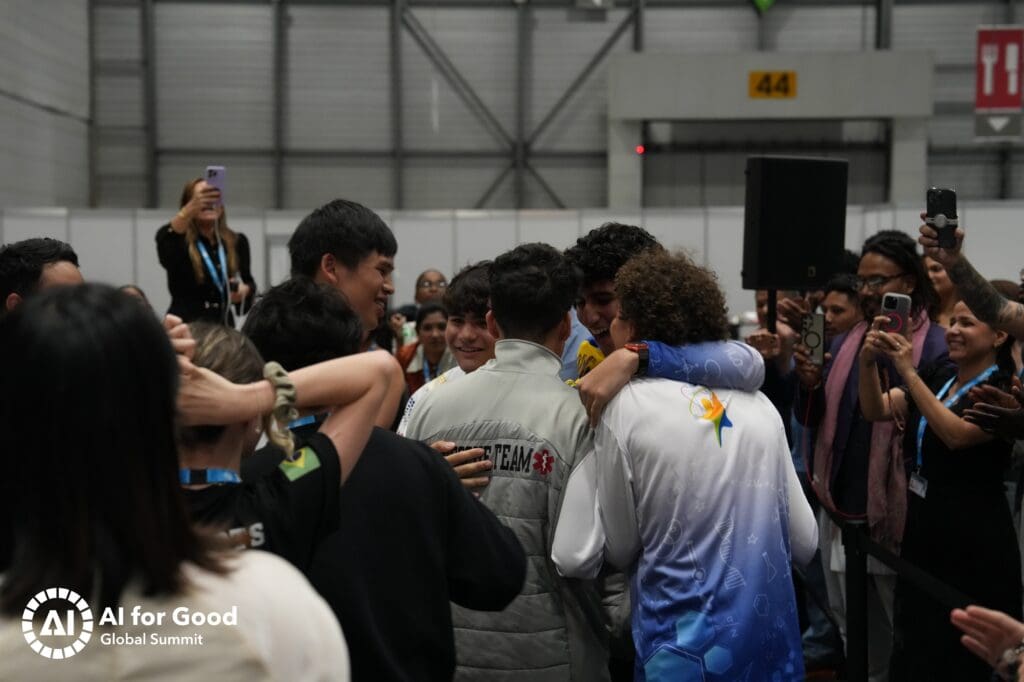
As the winners were announced, the room filled with cheers from teammates, mentors, and audiences watching from around the world. Beyond a competition, it was a moment to celebrate young people using science and technology to make a difference.
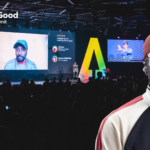
The stage was led with energy by Lukas M. Ziegler, Chief Evangelist at Botnanza, who moderated the event and introduced the story of each team’s journey. The judging was led by Vincent Vanhoucke, Distinguished Engineer at Waymo, who brought a strong mix of technical knowledge and real world insight to the role.
This year’s challenge asked teams to come up with robotic solutions for disaster response. The scenarios were based on real emergencies, like earthquakes and floods, where robots could help by reaching dangerous areas, bringing supplies, or finding people in need. All teams in both the junior and senior categories worked on the same task. Using open-source tools and technology, they built and programmed robots to complete important emergency missions. Since everyone used free and open equipment, the focus stayed on creativity, problem-solving, and teamwork and not on expensive tools or materials.
Each team approached the challenge in their own way, some built robots that could make quick decisions using AI, while others focused on flexibility, mapping or reliability. But regardless of the approach, the goal remained to use technology to help people. And throughout the event, teams showed not just their technical skills, but also their ability to work together, adapt, and turn big ideas into real solutions.
Across time zones, this year’s challenge brought together young robotics teams from 37 countries: 17 in the junior category and 20 in the senior category, all from different languages, cultures, and backgrounds with the same goal in mind.

From across Africa, both junior and senior teams brought creativity and determination to the challenge. Junior teams like Munali Boys (Zambia), RoboKai (Ethiopia), Serian Team (Kenya), Zimbotron Jnr 08 (Zimbabwe), Future Innovators (Nigeria), PSCHOOL_KIDS (Burkina Faso), R tech (Ghana), Steam J04 (Lesotho), Robo Rangers (South Africa), SBEC-G Robotics (Gambia), Peak Primary School (Uganda), and Maoka Robotics BW (Botswana) represented the continent with energy and skill. On the senior side, Robot Rangers (Zambia), Digital Spartan (Ethiopia), Simbatech Experts (Kenya), Zimbotron_06 (Zimbabwe), Elite (Nigeria), AKO (Burkina Faso), My Redeemer Tech (Ghana), Soofia Robotics Team (Lesotho), Witness the Fun (South Africa), Nusrat Robotics Team (Gambia), Our Lady of Africa SS (Uganda), BotsForce Once (Botswana), and Young Innovators (South Sudan) tackled the mission with bold ideas and strong teamwork.
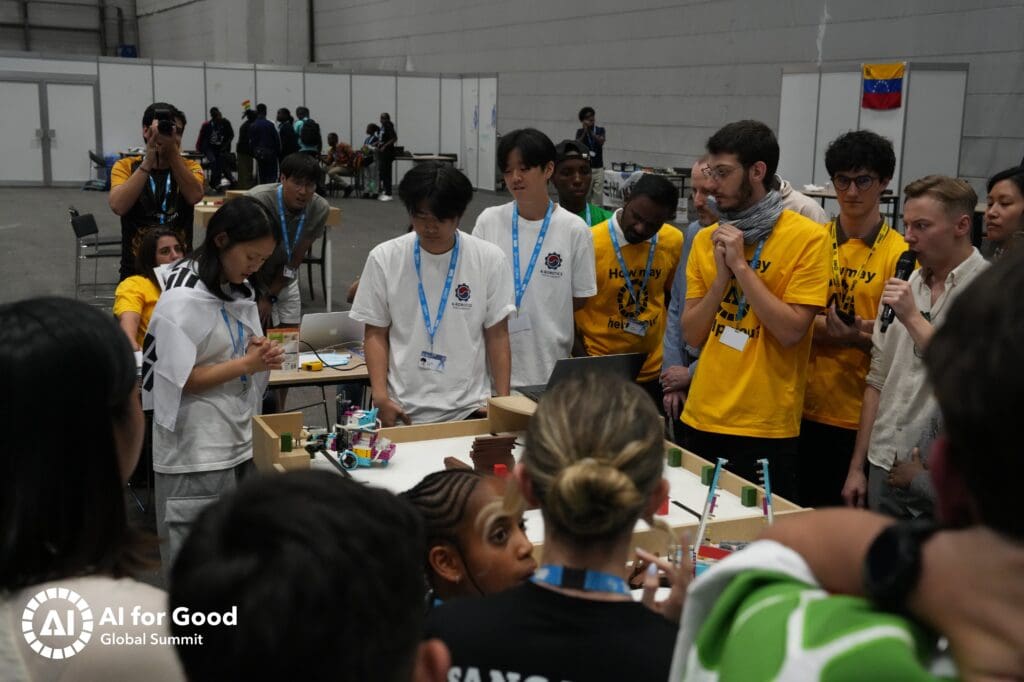
From Latin America, junior teams like Cyberdragons (Brazil), The Spartans (Venezuela), and j Bots (Bolivia) brought fresh thinking and high energy. Senior teams like Sancabots ae Resgate (Brazil), AII4ONE (Venezuela), Jucumari Tech Sports (Bolivia), and Preludio (Colombia) also impressed with their designs and strong problem-solving.
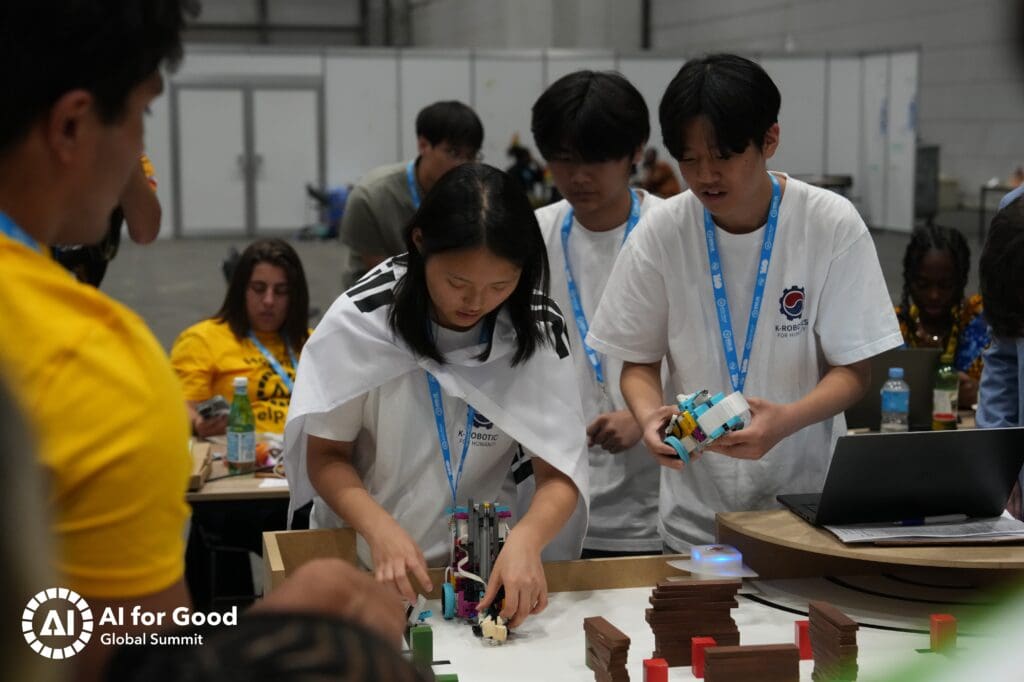
And across Asia, students brought precision and innovation to the challenge. Junior teams included Rescue Rangers (India), and Team Gautam Buddha (Nepal), while senior teams featured AI Pioneers (India), Team Sagarmatha (Nepal), Young Innovators from South Sudan, and K-Robotics for Humanity (South Korea); showing strong regional ties across borders.

Together all 37 teams formed a truly global community of young problem-solvers adding their own ideas and energy to for a good shared mission.
The Winners
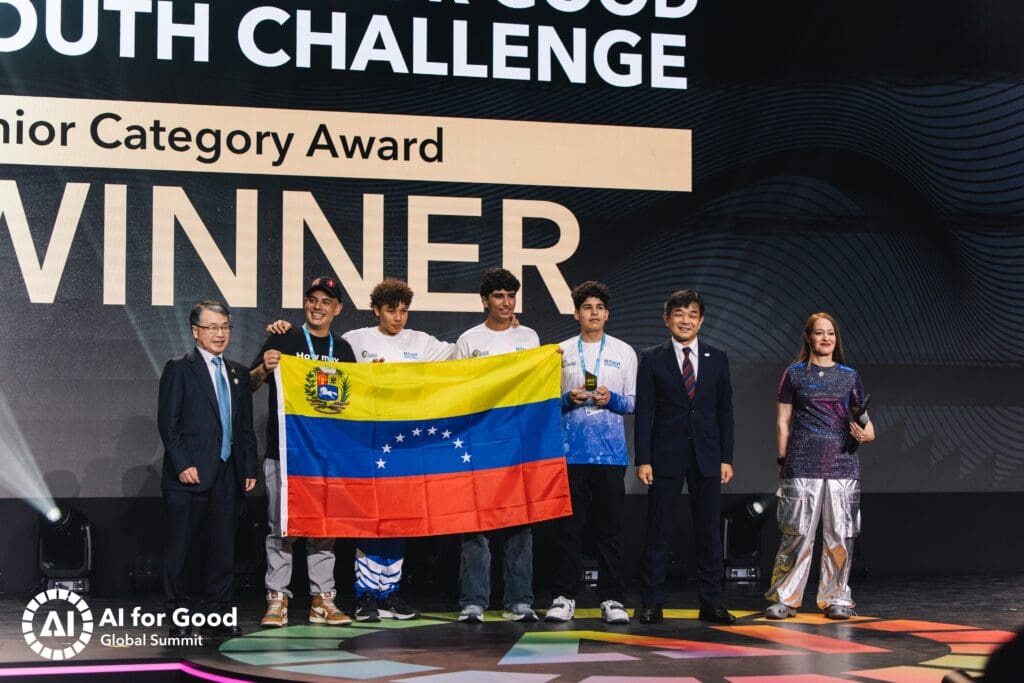
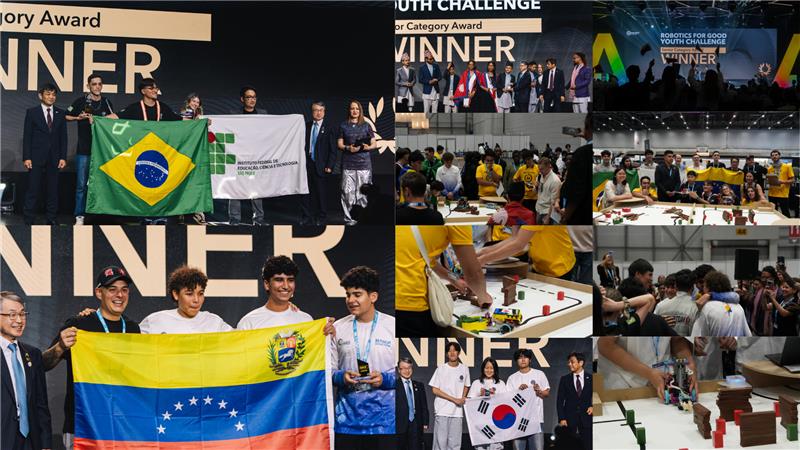
In the Junior Category, Venezuela’s “The Spartans” claimed the top spot, followed closely by Nepal’s “Team Gautam Buddha” in second place. Ghana’s “R Tech” proudly secured third, rounding out a remarkable showing of talent and creativity.
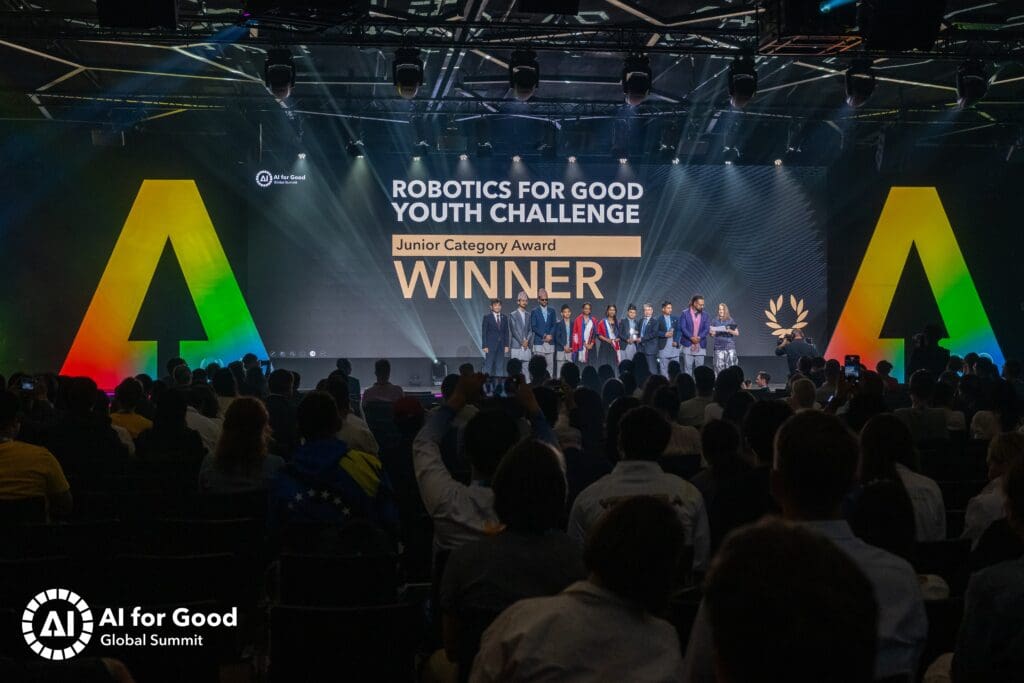
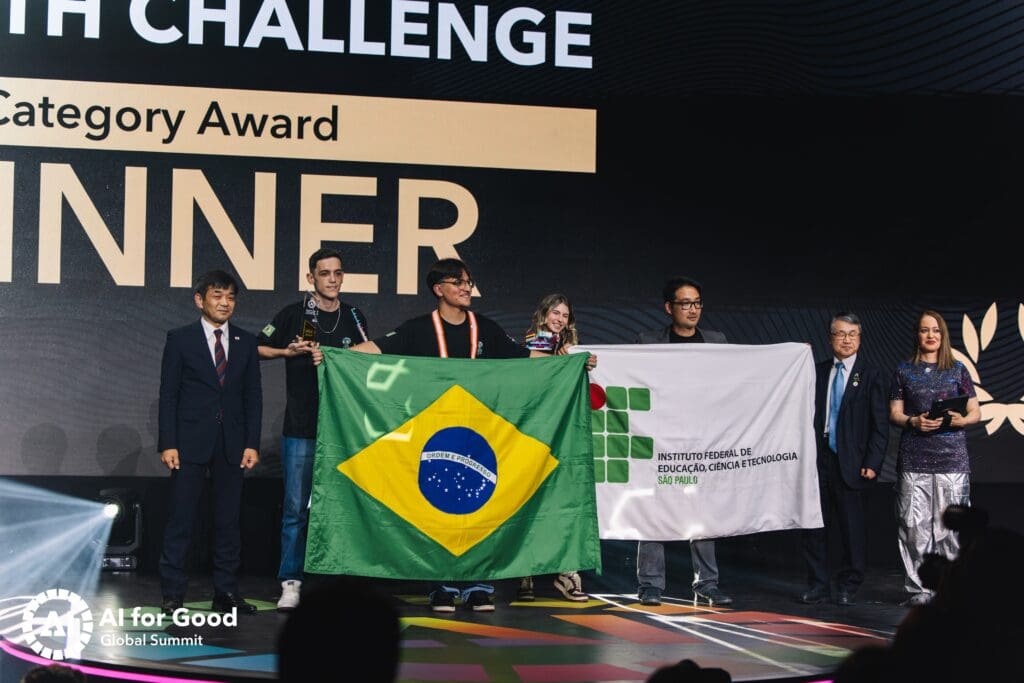
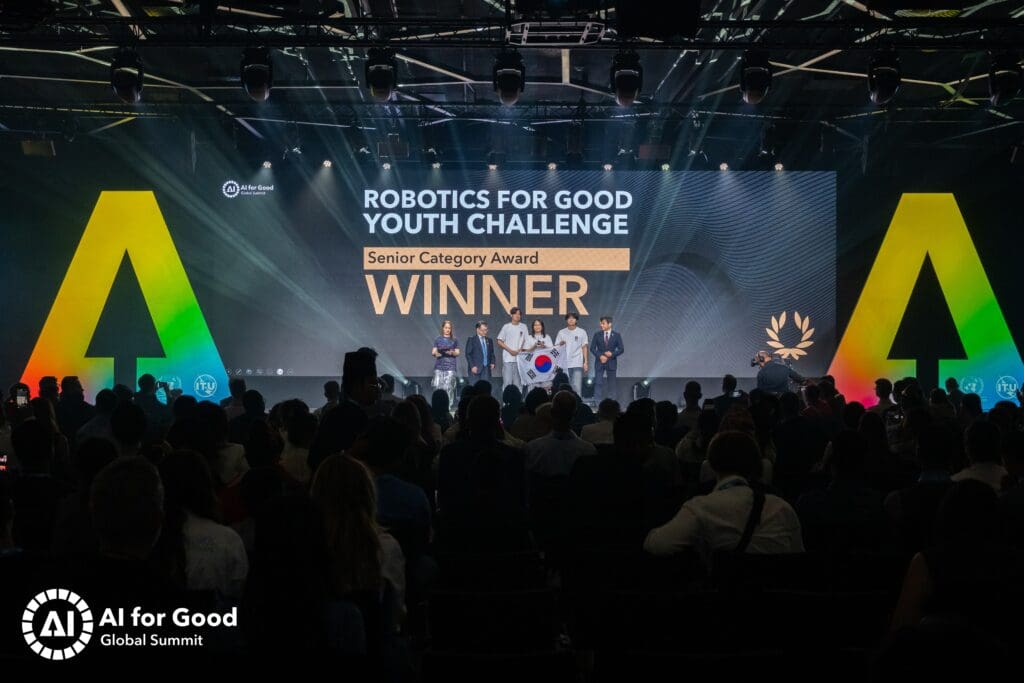
In the Senior Category, Brazil’s “Sancabots ae Resgate” were crowned champions, with South Korea’s “K-Robotics for Humanity” taking second place. Burkina Faso earned third, showing impressive problem-solving and resilience. These winning teams stood out for their technical excellence and their inspiring vision for how robotics can serve humanity.
Want to be part of the next challenge? It has been announced!
The 2025 – 2026 edition theme is Food Security! Participants design, build, and program a robot to complete a mission based on a selected global challenge. While learning robotics and coding, students gain more than just technical skills; they also develop essential workplace and future-ready competencies such as teamwork, problem-solving, project management, critical thinking, and information literacy. The Robotics for Good Youth Challenge features two age-based teams: Junior (born 2010-2013) and Senior (born 2006-2009). This division ensures age-appropriate challenges, fostering engagement and learning for all participants.
Also regularly check the list of events on the Robotics for Good Youth Challenge website to find the event closest to you and register to participate! The 2026 edition will focus on food security, and applications to become a Local Chapter Organizer are open until 1st September.